The Tension on Maple Street
The heated discussion at last month’s neighborhood association meeting wasn’t about barking dogs or parking disputes. Instead, residents found themselves divided over something that should have been cause for celebration: the Johnsons’ new Tesla solar roof. While some neighbors praised their environmental leadership, others grumbled about property tax implications and “showing off.” What most people didn’t realize is that this choice is quietly benefiting everyone’s electric bills, even those who never plan to install a single solar panel.
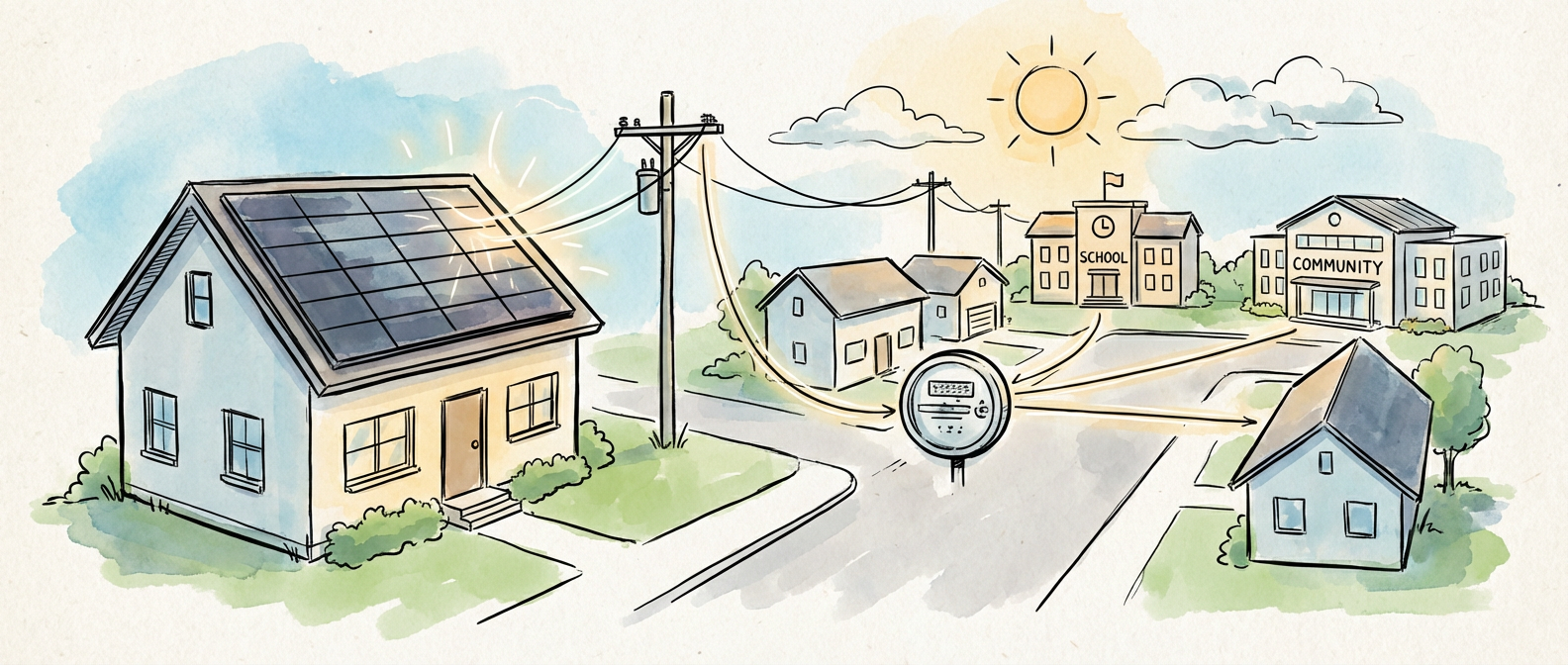
This divide plays out across the country every day. Solar adoption triggers discussions about equity, aesthetics, and economic fairness. Some residents worry about being left behind as early adopters enjoy benefits they can’t afford. Others question whether solar installations truly help the whole community or just subsidize wealthy homeowners’ energy choices.
The numbers tell a more complex story than either side admits. Tesla’s latest Solar Roof V4 technology, which the Johnsons installed, operates at nearly 23% efficiency compared to the 19% efficiency of earlier generations. This improvement means their roof generates more electricity from the same amount of sunlight, creating surplus power that flows back into the neighborhood grid during peak production hours.
How Individual Solar Becomes Community Benefit
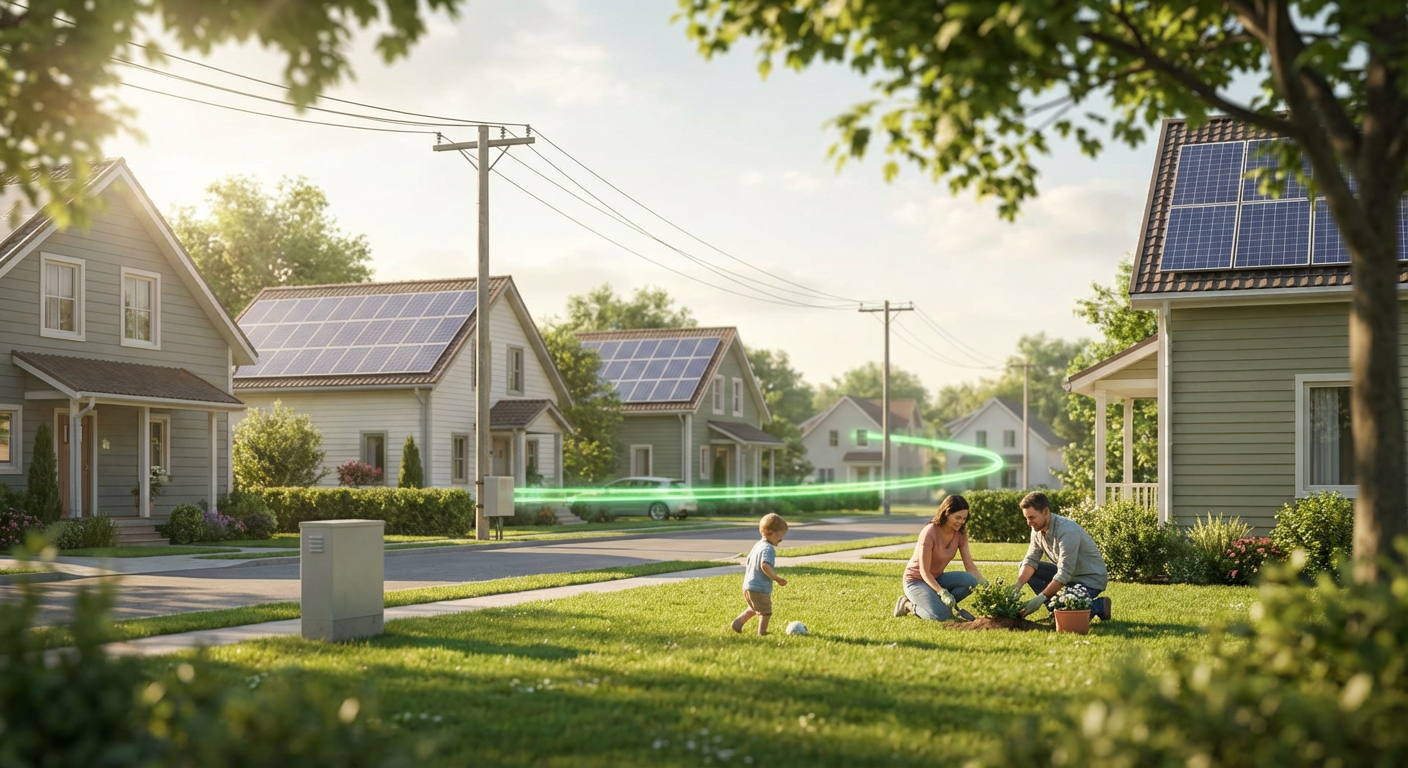
The mechanism behind community-wide savings isn’t obvious, which explains why the benefits often go unrecognized. When homes like the Johnsons’ generate excess solar power during sunny afternoon hours, that electricity gets distributed to nearby homes through existing power lines. This reduces the amount of electricity your utility company needs to purchase from expensive peak-demand power plants, which typically fire up when air conditioners are running at full capacity.
California’s NEM 3.0 policy has taken this concept further by creating “virtual power plants” that now reach 340,000 homes throughout the state. These networks coordinate individual solar installations and battery systems to act like a single, distributed power plant. When grid demand spikes, these virtual plants can instantly provide clean electricity to the broader community, reducing reliance on costly backup generators that utilities typically activate during emergencies.
The NREL Distributed Solar Benefits Study found that neighborhood solar installations reduce electricity rates by 2 to 4 percent for all residents within a two-mile radius. This happens because utilities can defer expensive infrastructure upgrades when distributed solar reduces peak demand on local transformers and power lines. Those avoided costs get passed through to ratepayers as lower base rates over time.
Real-World Impact During Crisis
The true value of distributed solar became clear during February’s unprecedented Texas winter storm. While much of the state’s centralized power grid struggled with frozen equipment and fuel supply disruptions, distributed solar installations continued operating and actually reduced overall grid strain by 15 percent. Neighborhoods with higher concentrations of rooftop solar experienced shorter blackouts and faster power restoration.
Tesla’s Megapack installations in 23 communities across the United States stored 1.2 terawatt-hours of renewable energy throughout 2025, creating local energy reserves that utilities can tap during emergencies. These battery systems charge during off-peak hours when electricity is cheapest and discharge during peak demand, smoothing out price spikes that would otherwise affect everyone’s bills.
The winter storm also highlighted something often overlooked: the equity dimension of community solar benefits. Lower-income households, who spend a higher percentage of their income on electricity, benefit proportionally more from rate reductions caused by neighborhood solar installations. Even residents who rent their homes or live in buildings unsuitable for solar see their electricity costs decrease when nearby properties generate clean power.
Addressing the Legitimate Concerns
Critics of residential solar raise valid points that deserve honest consideration. Property tax assessments do sometimes increase when expensive solar installations are added, potentially affecting neighborhood housing costs. Some homeowners associations struggle with aesthetic guidelines as solar technology evolves rapidly. Rural electric cooperatives worry about revenue losses when their customer base generates more of its own power.
The timing of solar benefits also creates legitimate frustration. While community-wide rate reductions happen gradually over months or years, the upfront costs of solar installations are immediate and substantial. This creates a perception that wealthy early adopters receive immediate benefits while everyone else waits for uncertain future savings.
However, the Solar Power World Grid Integration Report shows that these concerns are increasingly being addressed through policy innovations. Community solar programs now allow renters and residents of multi-unit buildings to purchase shares of larger solar installations, spreading both costs and benefits more equitably across income levels.
Moving Forward Together
The path forward requires acknowledging that individual energy choices create real community impacts, both positive and challenging. Rather than viewing solar adoption as a zero-sum competition between early adopters and everyone else, communities benefit from treating it as a collective infrastructure investment similar to road improvements or water system upgrades.
Some neighborhoods have begun organizing group purchasing programs that reduce individual costs while maximizing community benefits. Others have worked with local utilities to develop time-of-use rates that better reflect the value of distributed solar generation. These approaches recognize that energy policy works best when it addresses both individual choice and community welfare.
The next time you see solar panels or a Tesla roof going up in your neighborhood, consider attending the next city council meeting to learn more about your community’s energy planning. Understanding how individual choices add up to community outcomes is the first step toward making sure that energy transitions work for everyone, not just early adopters.