The Numbers That Should Concern Every Parent
I spent last Saturday morning reading through election analysis reports with my third cup of coffee, and I need to tell you what I found. The 2025 school board election data just came in, and it’s not subtle about what’s happening in our communities. According to Ballotpedia School Board Election Coverage, average voter turnout in standalone school board elections across the country hovered around just 11.4 percent. That’s not a typo. Eleven percent.
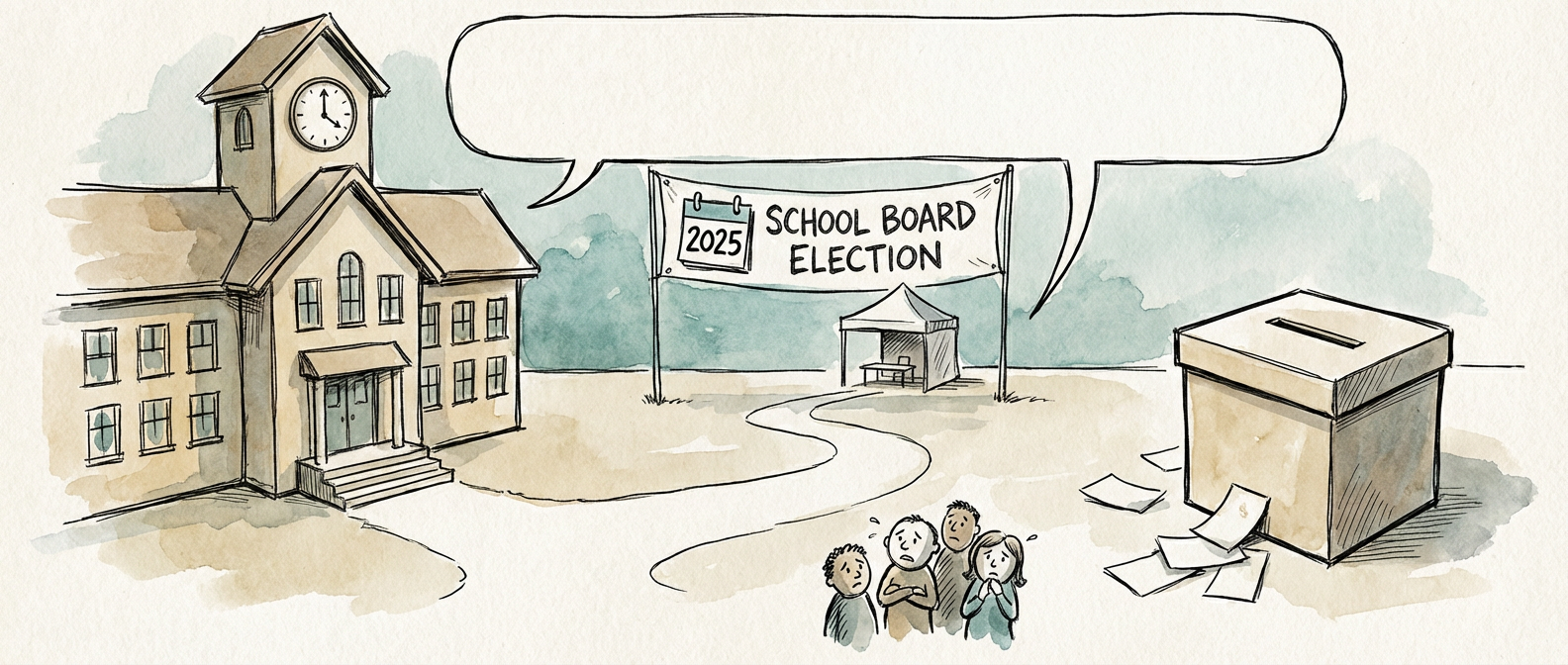
Here’s what makes this particularly jarring: this happened despite a surge in candidate filings driven by passionate debates over curriculum content and diversity initiatives. People cared enough to run for office. People cared enough to fight about what our kids are learning. But when it came time to actually vote, nine out of ten registered voters sat it out. That gap between caring and showing up is worth understanding.
Why This Matters More Than You Think
School board elections determine who sets education policy, approves budgets, hires and evaluates superintendents, and makes calls on everything from library collections to special education services. These decisions affect your kids directly. Yet we treat school board races like they’re happening in someone else’s town, something we’ll get around to if we have time.
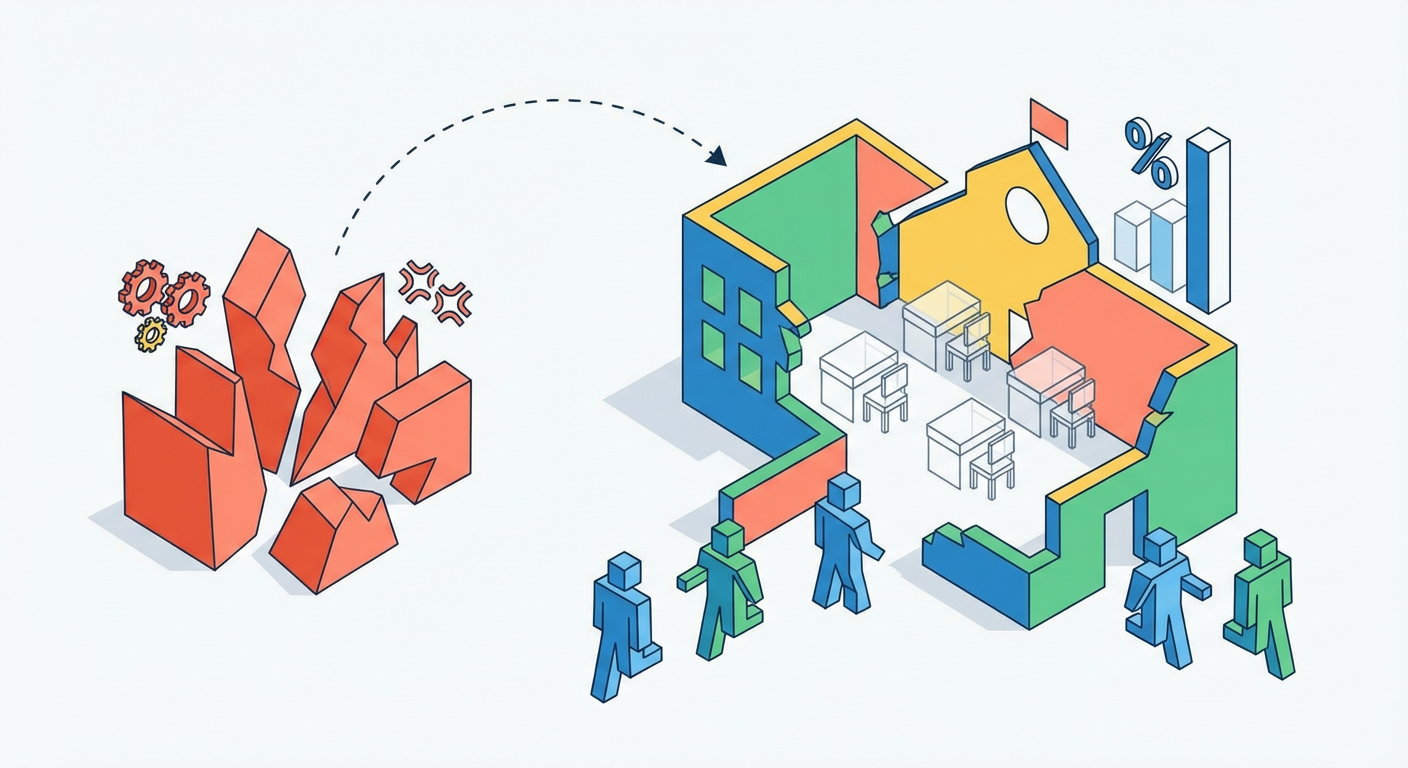
The cost of this apathy is becoming visible in real time. According to Stanford University’s Center for Education Policy Analysis, districts experiencing high-conflict school board climates reported a 17 percent higher teacher vacancy rate. Think about that. The tension and hostility that erupts during contentious board races doesn’t just create drama at meetings. It drives experienced teachers out of the profession. It means your child’s school is more likely to have substitutes leading classes, less continuity, less expertise in front of your kids.
Meanwhile, the National School Boards Association found that 67 percent of school board members nationwide have experienced threats, harassment, or hostile public comments during their tenure. Two-thirds. These are your neighbors, often volunteering for positions that pay little to nothing, getting verbally attacked for making decisions about lunch menus and curriculum standards.
The Shifting Ground Beneath the Loudest Voices
There’s another layer to this story that matters. The groups that drove the most visible school board activism over the past few years have experienced significant changes. Organizations like Moms for Liberty, which had grown to over 285 active chapters nationally by 2023, saw that number decline to approximately 180 chapters by late 2025 according to tracking by the Southern Poverty Law Center.
Meanwhile, when you actually look at who won contested races in November 2025, the pattern shifted too. Education Week School Board Election Tracker documented that candidates running explicitly on book ban platforms won only 34 percent of contested races this cycle. That’s down sharply from 52 percent in 2021-2022. The momentum has moved. The conversation, at least in terms of election outcomes, has started tilting in a different direction.
This doesn’t mean the debates are over or that everyone agrees on education policy now. It means things are changing faster than most people realize, and that 11.4 percent turnout rate means most voters aren’t even paying attention to see it happening.
What the Low Turnout Actually Represents
Here’s the uncomfortable truth I keep coming back to: that 11.4 percent figure probably reflects a mix of different problems, not just one. Some people don’t know when school board elections happen. They’re not publicized like general elections. Some people think it doesn’t matter or that board members are just administrators with no real power. Some people are exhausted. Some are cynical. Some just forgot it was happening.
But I also think a lot of people, including many with strong opinions about education, have pulled back from engaging with their local systems. The last few years of school board meetings turned into performance art. The rhetoric became sharper. The stakes were framed as existential. And somewhere in that escalation, the space for ordinary problem-solving got smaller. When everything feels like a battle, fewer people show up to participate.
The result is a system where a tiny fraction of the community makes decisions for everyone. And that tiny fraction is often the most activated, the most passionate, the most convinced they know exactly what should happen. Which might be the people who are actually right about education policy. Or it might not be. But either way, it’s not a great way to run a public system.
What You Can Actually Do With This Information
So what does this mean for you, practically speaking? First, understand that school board elections matter directly to your situation. Find out when your district’s next election is. Call your county clerk if you need to. Get that date on your calendar. Then actually show up.
Second, go learn who’s running and what they actually believe. Don’t rely on signs or social media posts. Look for candidate forums. Read their responses to questions about budget priorities, teacher compensation, and how they’ll handle disagreement on the board. See if they’ve thought through hard problems or if they’re running on slogans.
Third, talk to people in your community who work in schools. Teachers. Custodians. Special education coordinators. Librarians. Parents who have navigated the system. Ask them what matters to them about board leadership. Their perspective will likely be more grounded than anything you’ll read online.
Finally, consider actually voting in these elections, and then afterward, pay attention to what the board does. Attend a meeting occasionally. School board meetings are public. You can sit in that room and see how decisions get made, how board members interact, what the real constraints are. You might be surprised.
The data shows us that most of our neighbors aren’t engaging with school board elections. That’s a fact. But it’s not a law. If you’re reading this and thinking about your local schools, you’re already ahead of the 89 percent who tuned out. What comes next is up to you.